
The Wild and Woolly Lamiaceaes
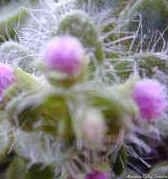
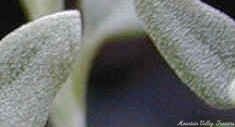
Elfin Thyme (on the left) is the smallest of all the thymes, but check out all those long “hairs”! In contrast these Cat Thyme leaves (on the right seem almost bald. Actually they have more hairs that are shorter, giving the leaves their downy appearance.
Why hair?
Well, some scientists think all the little hairs help absorb water and nutrients, as well as reflect the sunlight. This would fit with the dry, hot climates many of these plants originate from. These plants are usually high in essential oil as well which is released on hot days. The oil is wicked by the hair which cools the plants further.There is even the possibility they deter predators. We certainly see very little damage on our woolly plants. After all what bug in its right mind would want to chow down on a bunch of hair?
<Image
src="salfruticosahairysmall.jpg"
alt="Greek Sage"
/>
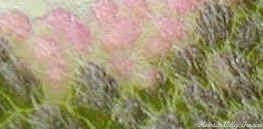
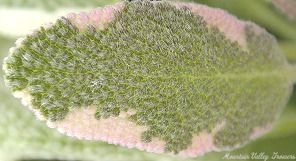
The close up of a small section of a Tricolor Sage leaf shows the fuzzy texture of each cell which is typical of the Lamiaceae family. That section came from this beautiful Tricolor Sage leaf. In the photo on the right we see a closeup of a Greek Sage leaf. Even at a distant you can see its hairs.
The Lamiaceae family used to be called the Labiatae family. Even though it contains over 200 Genera and over 6000 species, including the closeup above of a hairy Salvia fruticosa or Greek Sage, this family is often referred to as the Mint Family.
There are other similarities among the members of this group besides the presence of hair. Perhaps the most notable is the square stem. A lot of these are also highly aromatic and contain fragrant essential oils.
The Lamiaceae family contains a large number of the plants we normally think of as herbs. These include: Agastache (Licorice Mint), Lavandulas, Leonorus (Motherwort, Leonotus (Lion’s tails), Marrubium (Horehound), Melissa (Lemon Balm), Menthas, Monardas, Nepetas (Catnips), Ocimums (Basils), Origanums, Rosmarinus, Salvias, Saturejas (Savorys), Teucriums, and Thymus.
While it does seem that the Lamiaceaes contain most of the hairy herbs we are familiar with, there are other herbs in other families that are also quite woolly.
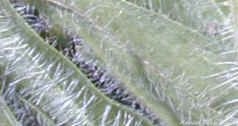
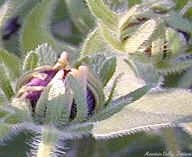
Arnica (on the left) belongs to the Asteraceae family but is still quite tomentose (fancy word for hairy). Black Eyed Susan or Rudbeckia (on the right) also has some serious fuzz. It also belongs to the Asteraceae family.
Plants are given many tools with which to survive the elements. These attributes can give us clues to the kind of climate these plants prefer.